



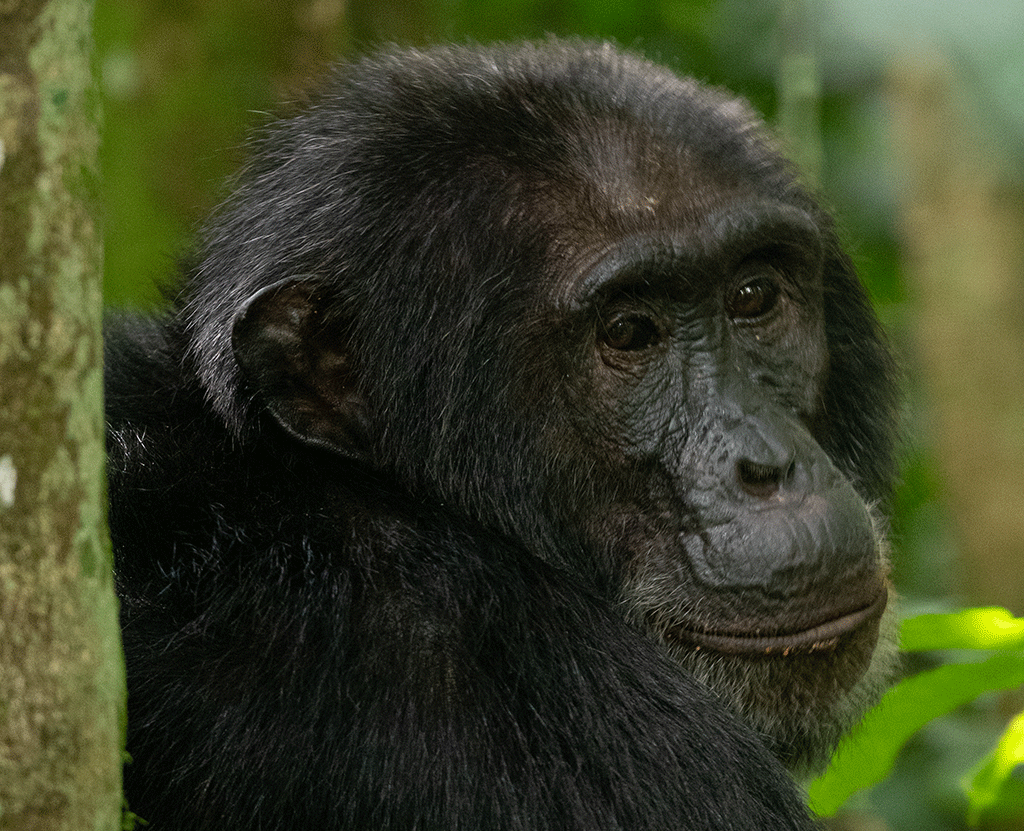
Where to see Chimpanzees in Uganda
Where to see Chimpanzees in Uganda. Uganda is one of the world’s best destinations for tracking chimpanzees in their natural habitats. Known as the “Primate Capital of the World,” Uganda offers multiple national parks and forest reserves where visitors can observe these intelligent and playful apes up close. Whether you are an avid primate enthusiast or a curious traveler, chimpanzee tracking in Uganda promises a thrilling and rewarding wildlife experience.
Why Visit Uganda for Chimpanzee Tracking?
Uganda is home to some of the highest populations of chimpanzees in East Africa, thanks to its extensive protected forests and national parks. The country’s conservation efforts have helped habituate several chimpanzee groups, making it possible for tourists to trek them with minimal disturbance. The rich biodiversity and scenic landscapes add to the unique charm of chimpanzee trekking tours.
Top Places to See Chimpanzees in Uganda
1. Kibale Forest National Park
Kibale Forest is the most famous destination for chimpanzee tracking in Uganda and arguably the best place in East Africa to see these apes. The park has one of the largest habituated chimpanzee populations, estimated at over 1,500 individuals.
Trekking in Kibale offers a chance to witness chimpanzees’ social behaviors — such as grooming, playing, and using tools — in the lush tropical rainforest. Besides chimpanzees, Kibale is rich in other primates like red colobus monkeys and L’Hoest’s monkeys.
2. Budongo Forest Reserve
Budongo Forest, located near Murchison Falls National Park, is another excellent site for chimpanzee tracking. The forest is less crowded than Kibale, providing a more intimate and tranquil experience.
Budongo is also an important research site and is known for its conservation projects. The chimpanzees here are habituated to humans, allowing visitors to get close while still respecting their wild nature.
3. Ngogo Forest (within Kibale)
Ngogo is a remote part of Kibale Forest, famous for hosting the largest community of chimpanzees ever recorded — over 200 individuals. It offers an exciting opportunity for primate enthusiasts to observe complex chimpanzee dynamics and family groups in the wild.
Permits for Ngogo are more limited and tend to be less crowded, appealing to travelers looking for a more exclusive tracking experience.
What to Expect During Chimpanzee Tracking
Chimpanzee tracking involves hiking through dense forests, often following the sounds and signs of chimpanzee activity. Guides and trackers lead groups on treks that can last from a few hours to half a day, depending on how far the chimpanzees have moved.
Once the chimpanzees are located, visitors typically spend about one hour observing their natural behaviors. These moments allow for incredible photography and a deeper connection with these highly intelligent animals.
Tips for a Successful Chimpanzee Trek
- Physical Preparedness: Be ready for forest hikes that can be steep, muddy, or uneven. Proper hiking shoes and comfortable clothing are essential.
- Permits: Book your chimpanzee tracking permit well in advance, especially during peak seasons (June to September and December to February).
- Respect Wildlife: Always follow your guide’s instructions, maintain a safe distance, and avoid making loud noises or sudden movements.
- Bring Essentials: Binoculars, cameras with zoom lenses, insect repellent, water, and a rain jacket are recommended.
Conservation and Community Benefits
Chimpanzee tracking tourism contributes significantly to conservation and local community development. Revenues from permits fund anti-poaching patrols, forest protection, and education programs that help sustain chimpanzee populations and their habitats.
